Tenerife's climate: why the island has a thousand climates (not just one)
Published on 29. November 2026 07:33 in Useful Tips
Tenerife's climate: microclimates, north vs. south, calima and the best area to live.
"The best climate in the world" is the slogan you hear most about Tenerife. And
it's true… halfway. Because Tenerife doesn't have one climate: it has many.
And choosing the wrong area is the most common disappointment of newcomers who
dream of endless sunshine.
This chapter explains how the island's climate works so you get the location
right.
1. The "eternal spring" (with caveats)
Tenerife enjoys mild temperatures all year: averages of ~18–21°C in winter and
~24–28°C in summer on the coast. That's what's called "eternal spring". But
there are two caveats few people mention:
- The Calima: Saharan dust that comes in episodes, especially in winter and
summer. It drives up heat, dryness and stuffiness. It lasts days and hazes the
sky.
- Winter exists: in the north it can rain properly between November and
February. It's not the tropical Caribbean; it's subtropical.
2. North vs. south: two islands in one
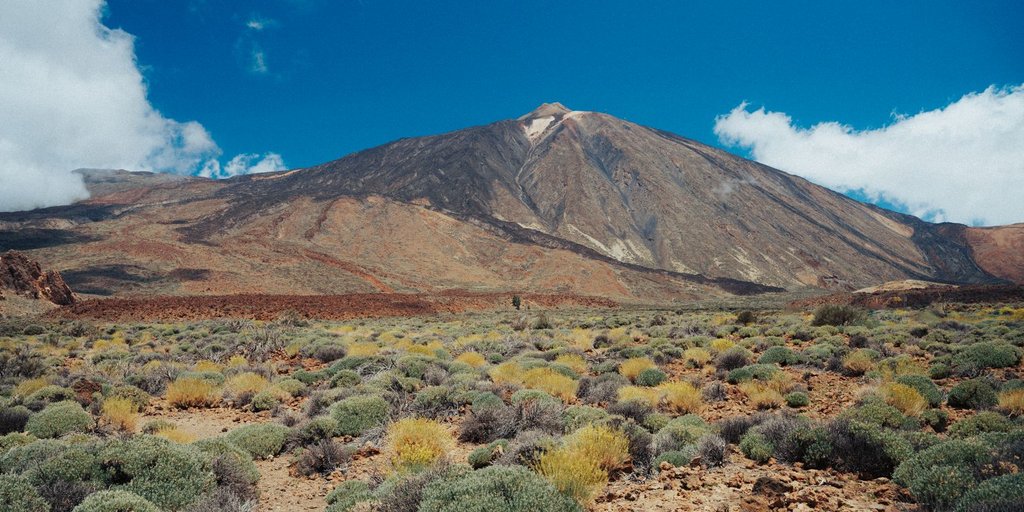
The great barrier of Mount Teide (3,715 m) splits the island into two
climates:
- North (Santa Cruz, La Laguna, Puerto de la Cruz): wetter, greener and
cooler. Cloudy in the mornings in winter (the "panza de burro"), with moderate
rain. Ideal if you like green and fresh.
- South (Adeje, Arona, Los Cristianos): dry and sunny almost all year, with
slightly higher temperatures and little rain. The "postcard" zone.
Summary: green and fresh = north; dry and sunny = south.
3. Coast vs. altitude: every 500 m changes everything
Climbing in altitude in Tenerife is like changing season:
- Coast (0–300 m): mild, ideal for living.
- Mid-altitude (300–900 m): cooler, with forests (laurel forest, pine woods)
and fresh air. Perfect for escaping the heat in summer.
- Summits (>1,500 m): cold in winter (Teide gets snow), windy and with abrupt
changes.
Many people choose mid-altitude for air quality and tranquillity — accepting a
car and occasional heating.
4. Which area for which wish
- Year-round sun + beach: south (Adeje, Arona, Granadilla de Abona).
- Green, fresh and local life: north (La Laguna, La Orotava, Puerto de la
Cruz).
- Tranquillity and fresh air: mid-altitude (La Esperanza, Güímar, Tacoronte).
- City life: Santa Cruz (capital, mild climate, everything within reach).
5. What nobody tells you
- The "panza de burro": the low cloud that covers the north in the mornings.
If you hate grey skies, avoid the north in winter.
- The humidity: in the north it's high; mould at home is a real issue.
Ventilate well and choose the home carefully.
- The wind: the trade winds blow hard in some areas (El Médano is famous for
windsurfing).
- The Calima: don't underestimate the Saharan stuffiness. A fan or air
conditioning is not a luxury in summer.
The bottom line
Tenerife has the climate you choose — if you choose well. Before deciding on an
area, think about the climate you want to live every day, not just on holiday.
Choose the south for sun, the north for green, the mid-altitude for freshness. And
if you can, test the area in different seasons before signing.
Sources
- AEMET — climate data for the Canary Islands (average temperatures, calima).
- Tenerife geography and climate — microclimates by slope and altitude.
Note: this article is informational.