Tenerife beach flags: what the colors mean
Published on 01. November 2026 23:14 in Useful Tips
Green, yellow and red beach flags in Tenerife: what each color means and when to stay out of the water. A quick, practical guide to swimming safely.
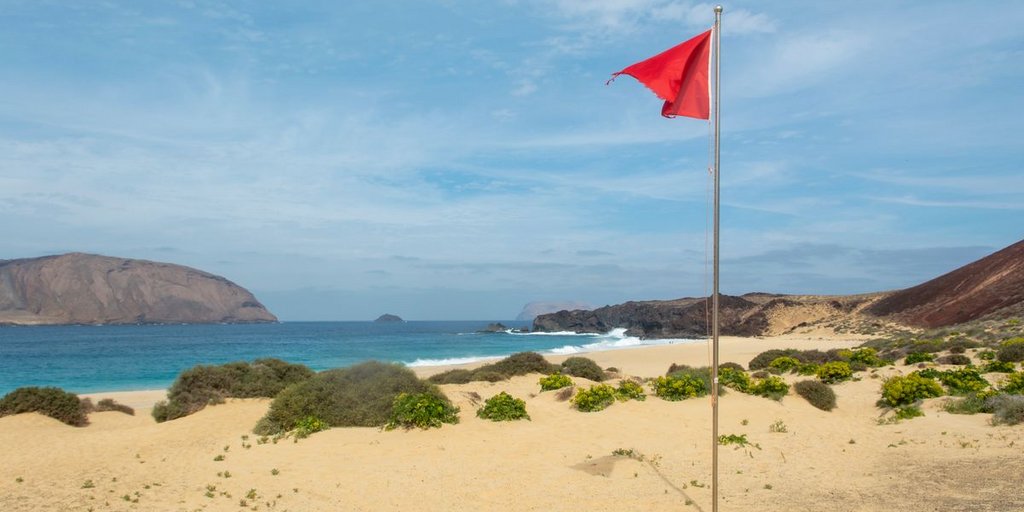
You arrive at the beach, towel ready, and a red flag is flying right where you planned to swim. Do you go in? Understanding the beach flags in Tenerife matters more than it looks: they tell you whether the sea is calm or whether you should stay on the sand. Here's the cheat sheet. A quick glance saves you a lot of worry.
Green, yellow and red: the sea's traffic light
Green means you can swim without worry, yellow means caution, and red means swimming is banned. A black flag or no lifeguard means the beach is unsupervised, so the risk is on you. Tenerife beach flags aren't decoration: each color is telling you exactly what to do. The sea changes in minutes, so glance at the flag when you arrive and again now and then.
Currents and lifeguards: your best allies
Some beaches in Tenerife have strong currents, so swim near the lifeguard towers whenever you can. They know every corner and will warn you if conditions change. If a current drags you, swim parallel to the shore instead of fighting it. Respecting beach flags in Tenerife saves lives, literally: the sea doesn't negotiate. Ignoring the flags puts not just you but the rescue crews at risk. Play it safe and follow what the flag says.
Other signs to watch for
Beyond the swimming flags, some beaches post warnings about jellyfish or strong wind; if anything is unclear, ask the lifeguard. A red flag isn't a dare, it's information looking out for you. The rules are the same across the island. One glance at the flags before you spread your towel spares you more than one headache.
Planning a full day on the coast? Check out our guide to whale watching in Tenerife and eating at a guachinche. For more tips, stop by canaguia.com.